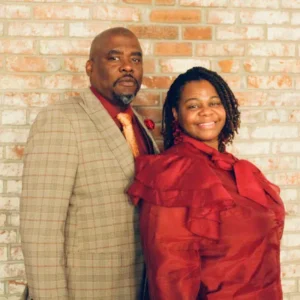





You know exactly who came to mind when you read that title. There’s a name, a face, maybe even a specific moment you keep replaying. You’ve told yourself you’re over it. You’ve prayed about it. You might have even said “I forgive you” out loud. But if you’re being honest, the weight is still there. During a recent Sunday message at We Believe Kingdom Church, Pastor Ken Robinson addressed this directly: learning how to forgive someone who hurt you biblically isn’t about finding the right feeling. It’s about making the right choice, and then walking it out one day at a time.
What Does It Mean to Forgive Someone Who Hurt You Biblically?
Ephesians 4:32 lays it out plainly: “Be kind and tender-hearted to one another, forgiving each other just as in Christ God forgave you.” Notice the first word of that instruction. Be. As Pastor Ken put it during the sermon, “This is how you are supposed to be. Walk, be, not try.” That distinction matters. Forgiveness isn’t something you attempt once you feel ready. It’s a command you’re already equipped to obey.
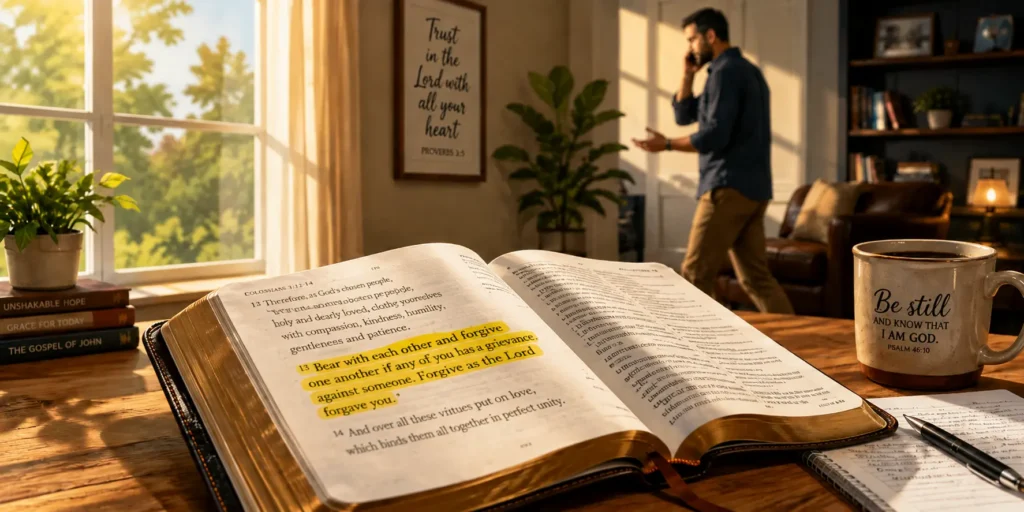
When you decide to forgive someone who hurt you biblically, it doesn’t mean pretending the hurt never happened or rushing back into a relationship that isn’t safe. It means releasing your right to get even and trusting God with the outcome. This is a decision, not a feeling, and understanding that difference is the first real step toward healing.
Step 1: Acknowledge the Hurt Honestly
Before you can forgive someone who hurt you biblically, you have to admit what actually happened and how it made you feel. Skipping this step doesn’t make you more spiritual, it makes you dishonest. Pastor Ken didn’t soften this point: “Some of y’all ain’t never told the Father that you just so mad… you gotta be honest with Him about how you feel.”

Pretending you’re fine when you’re not isn’t forgiveness, it’s suppression. Suppression doesn’t heal, it just buries the pain somewhere it will resurface later, often at the worst possible moment. Being honest with God about your anger, confusion, or grief isn’t a lack of faith. It’s the starting point of real healing, and it helps to rely on the Holy Spirit daily as you work through what you’re actually feeling instead of stuffing it down.
Step 2: Choose the Father Over Retaliation
Once you’ve acknowledged the hurt, the next move is a choice between retaliation and trust. Romans 12:17 says, “Repay no one evil for evil, but give thought to do what is honorable in the sight of all.” That verse doesn’t ask you to feel like being kind. It asks you to choose it anyway.

This matters for families and marriages more than most people realize. Every time you repay evil for evil, whether it’s a sharp comment to your spouse or holding a grudge against a friend, you’re not just affecting that one relationship. People are watching how you handle pain, especially your kids. As Pastor Ken pointed out, “You have no idea who’s watching you. You have no idea whose life, by your living, you’re affecting.” Choosing the Father over payback teaches everyone around you what it actually looks like to live out your faith instead of just talking about it.
Step 3: Remove Bitterness Before It Takes Root
Bitterness doesn’t show up all at once. It moves in slowly, and if you let it stay, it multiplies. 2 Corinthians 5:17 reminds us that those in Christ are a new creation. The old patterns of holding on to pain don’t have to define you anymore.

Left unchecked, unresolved hurt doesn’t sit quietly. It grows into anger, then resentment, then something harder to name. Pastor Ken put it plainly: “When we choose to not forgive, brokenness sets up and opens up shop. Then because of the brokenness, you frequent that shop and you buy all what it offers you.” Removing bitterness means actively choosing, day by day, not to keep rehearsing what someone did to you. If you’re carrying the weight that unforgiveness leaves behind, comforting Bible truths can help you process both the hurt and what comes next.
Step 4: Walk in the Freedom Forgiveness Brings
Here’s the part people miss. Forgiveness isn’t just about releasing what someone did to you, it’s about walking in the freedom that follows. 2 Corinthians 3:17 says, “Now the Lord is the Spirit, and where the Spirit of the Lord is, there is liberty.”

That liberty covers more ground than most people expect. It’s freedom from what was done to you, and freedom from your own guilt and shame too. Holding on to unforgiveness locks you into something you built yourself, and you’re the only one holding the key. Choosing to forgive someone who hurt you biblically is how you walk out of that cell and into real freedom in Christ, the kind that lets you move forward instead of staying stuck in what happened.
Practical Ways to Walk in Forgiveness This Week
Forgiveness looks different depending on where you’re standing. For married couples, it might mean having an honest conversation instead of letting resentment build over small things. For parents, it might mean modeling forgiveness out loud so your kids see what it looks like in real time. For anyone carrying an old hurt, it might simply mean starting the conversation with God that you’ve been avoiding.
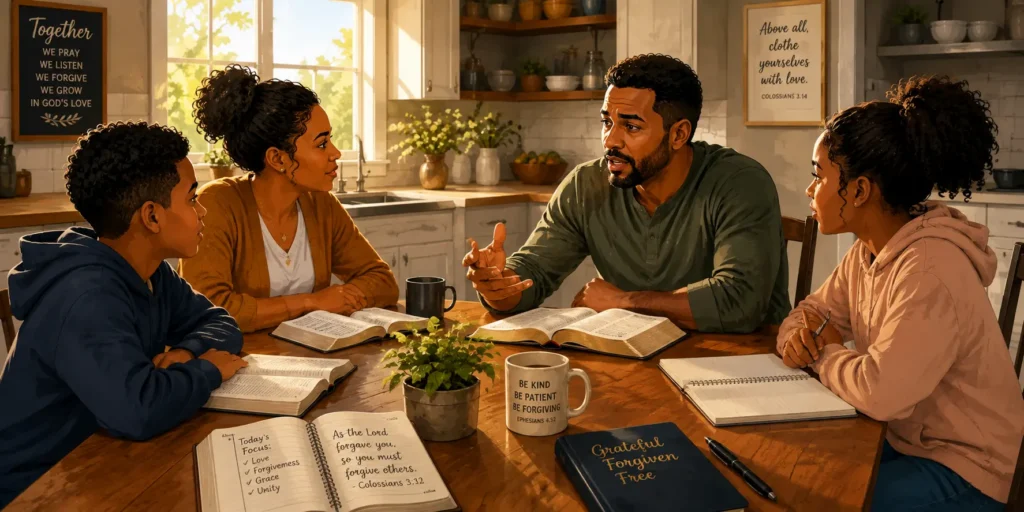
If you want a place to build this practice alongside other believers, go deeper in a Bible study with your WBKC family. Community makes consistency easier.
Final Thoughts
Learning how to forgive someone who hurt you biblically isn’t a one time decision, it’s a daily walk. Acknowledge the hurt, choose the Father, release the bitterness, and walk in the freedom that follows. You may be upset with somebody today, but as Pastor Ken said to close the message, “Choose the kingdom rather than choosing retribution. Walk in forgiveness today.”